Polycystic Ovary Syndrome (PCOS), also known as Polycystic Ovarian Disorder (PCOD), is a condition that affects the normal functioning of the ovaries in women of reproductive age. In PCOD, the ovaries may produce multiple immature follicles that do not develop or release eggs regularly, leading to irregular ovulation and menstrual cycles. The condition is commonly associated with hormonal and metabolic imbalance and may present with symptoms such as irregular periods, acne, excessive facial or body hair growth, weight gain, hair thinning, and difficulty conceiving. If left unmanaged, PCOS/PCOD may also increase the risk of long-term reproductive and metabolic complications. In Siddha medicine, PCOS/PCOD is understood as a disturbance of Mukkuttram, particularly Vali and Iyyam. Siddha management focuses on restoring humoral balance through individualized medicines, Pathiyam, lifestyle modifications, and supportive therapies to promote menstrual health and overall well-being.
Signs & Symptoms
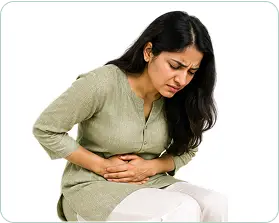
Irregular Menstrual Cycles
Periods may become irregular, delayed, infrequent, or absent due to changes in ovulation.
01
Weight Gain & Difficulty Losing Weight
Many women experience weight gain or find it difficult to lose weight despite lifestyle changes.
02
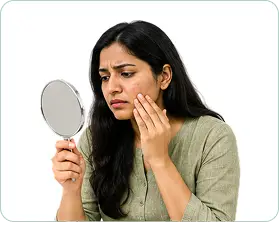
Acne & Oily Skin
Persistent acne or oily skin may occur due to increased androgen hormone levels.
03
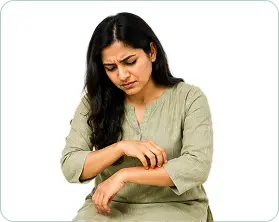
Excess Hair Growth
Unwanted hair growth on the face, chest, abdomen, or other body areas may develop.
04
Hair Thinning & Hair Loss
Some women may notice thinning hair or increased hair fall, particularly over the scalp.
05
Difficulty Conceiving
Irregular ovulation may make it more difficult to become pregnant.
06
Causes
Genetic Factors
A family history of PCOD or related metabolic conditions may increase the risk of developing the condition.
Insulin Resistance
Reduced sensitivity to insulin can affect hormone levels and interfere with normal ovulation.
Hormonal Changes
Changes in reproductive hormones may affect the normal growth and release of eggs from the ovaries.
Excess Body Weight
Being overweight may worsen hormonal imbalance and increase the severity of PCOD symptoms.
Lifestyle Factors
Unhealthy eating habits, physical inactivity, poor sleep, and long-term stress can make symptoms more difficult to manage
Siddha Treatment for PCOD
Siddha Clinical Assessment
Comprehensive evaluation includes Envagai Thervu, menstrual history, lifestyle assessment, and individualized Siddha clinical diagnosis.
Internal Siddha Medicines
Personalized Siddha medicines support humoral balance, reproductive health, metabolic function, and menstrual regularity naturally.
Supportive Siddha Therapies
Selected external Siddha therapies support overall well-being and complement individualized treatment when clinically appropriate.
Varmam Therapy
Varmam therapy supports physiological function, relaxation, stress management, and overall health where clinically indicated.
Healthy daily routines, exercise, weight management, and stress reduction support hormonal and reproductive health.
Yoga and Breathing Practices
Yoga and breathing exercises promote relaxation, improve flexibility, and support overall physical and mental wellness.
Our Treatment Process
Every patient undergoes a detailed consultation with an experienced Siddha physician. The assessment includes menstrual history, reproductive concerns, medical history, lifestyle, dietary habits, stress levels, sleep pattern, and Envagai Thervu, including Naadi examination, together with a comprehensive clinical evaluation to identify the underlying Siddha imbalance. Based on the findings, an individualized treatment plan is prepared according to Siddha principles. Depending on the patient’s condition, treatment may include internal Siddha medicines, supportive Siddha therapies where appropriate, Pathiyam, lifestyle modifications, physical activity recommendations, and stress management strategies. Regular follow-up consultations help monitor menstrual regularity, symptom improvement, metabolic health, body weight, and overall well-being. Patients also receive guidance on healthy eating habits, maintaining an active lifestyle, stress management, and long-term reproductive wellness.
Nutrition
Warm, Freshly Prepared Meals
Freshly cooked meals help support healthy digestion and maintain physiological balance.
Easily Digestible Foods
Simple, wholesome foods promote efficient digestion and proper nutrient absorption.
Traditional Siddha Dietary Practices
Foods are selected according to Siddha principles to support metabolism and maintain humoral balance.
Selected Herbs and Spices
Traditional herbs and spices may be recommended to support digestion and overall wellness.
Adequate Hydration
Maintaining proper hydration supports normal metabolic and physiological functions.
Healthy Weight Management
A balanced diet and healthy lifestyle help maintain an appropriate body weight.
Foods to Limit
The Siddha physician may advise limiting excessively sweet, oily, processed, deep-fried, refrigerated, and refined foods that may aggravate humoral imbalance.
.
Benefits
Individualized Siddha management aims to restore the balance of Mukkuttram while supporting hormonal, metabolic, and reproductive health. With appropriate Siddha treatment, Pathiyam, and lifestyle modifications, women may experience improved menstrual regularity, better metabolic function, support for healthy ovulation, improved weight management, reduced acne and excessive hair growth associated with hormonal imbalance, increased energy levels, enhanced overall well-being, and long-term support for reproductive health through personalized Siddha care.