Obesity is a condition characterized by excessive accumulation of body fat that may affect overall health, physical mobility, and quality of life. It usually develops gradually due to a combination of unhealthy eating habits, physical inactivity, inadequate sleep, stress, hormonal changes, genetic factors, and metabolic disturbances. Excess body weight may increase the risk of conditions such as type 2 diabetes, hypertension, high cholesterol, fatty liver disease, joint disorders, cardiovascular diseases, and other lifestyle-related health concerns. Maintaining a healthy body weight through balanced nutrition, regular physical activity, and healthy lifestyle practices plays an important role in preventing these complications. According to Ayurveda, obesity is described as Sthoulya, a condition primarily associated with an imbalance of Kapha Dosha, impaired Agni (digestive and metabolic fire), and excessive accumulation of Meda Dhatu (adipose tissue). Sluggish digestion, improper dietary habits, sedentary lifestyle, irregular routines, and reduced physical activity may contribute to this imbalance. Ayurvedic management begins with a detailed assessment of the individual’s Prakriti (body constitution), Vikriti (current imbalance), digestive strength, lifestyle, and overall health. Based on the evaluation, personalized treatment may include Ayurvedic therapies, herbal medicines, dietary guidance, yoga, physical activity, and lifestyle modifications to support healthy metabolism, improve digestion, and promote sustainable weight management.
Signs & Symptoms
Excess Body Weight
Gradual accumulation of excess body fat affecting mobility, physical comfort, and overall health.
01
Reduced Energy Levels
Persistent tiredness, fatigue, and reduced stamina during routine daily activities.
02
Breathlessness on Exertion
Shortness of breath or reduced endurance during walking, climbing stairs, or exercise.
03
Joint Pain and Stiffness
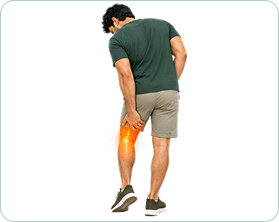
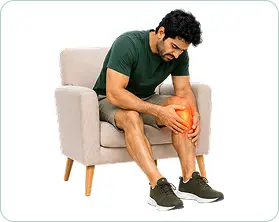
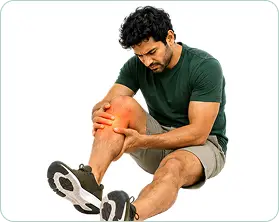
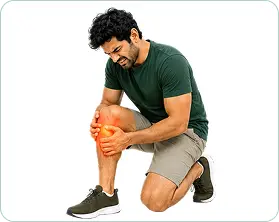
Excess body weight may increase pressure on weight-bearing joints, causing discomfort and reduced mobility.
04
Excessive Sweating
Increased sweating during routine activities due to increased body weight and metabolic demand.
05
Digestive Changes
Sluggish digestion, heaviness after meals, bloating, or irregular bowel habits.
06
Causes
Unhealthy Eating Habits
Frequent intake of calorie-dense foods, refined carbohydrates, sugary drinks, processed foods, and overeating.
Sedentary Lifestyle
Insufficient physical activity and prolonged sitting reduce energy expenditure and promote weight gain.
Slow Metabolism
Reduced metabolic efficiency may contribute to excessive accumulation of body fat.
Stress and Emotional Eating
Emotional stress may influence appetite, eating behaviour, and hormonal balance.
Poor Sleep
Inadequate or disturbed sleep may affect metabolism and appetite-regulating hormones.
Hormonal and Genetic Factors
Conditions such as PCOS, thyroid disorders, family history, and hormonal changes may contribute to obesity.
Ayurveda Treatment for Knee Pain
Ayurvedic Clinical Assessment
A comprehensive evaluation identifies dosha imbalance, body constitution, digestion, lifestyle, and underlying health concerns accurately.
Individualized Herbal Medicines
Personalized Ayurvedic medicines support healthy metabolism, digestion, dosha balance, and overall well-being through individualized treatment.
Udvartana (Herbal Powder Massage)
Traditional herbal powder massage stimulates circulation, supports metabolism, reduces Kapha, and promotes healthy body composition.
Selected Panchakarma therapies help restore dosha balance, improve metabolism, support detoxification, and enhance overall wellness.
Yoga and Physical Activity
Personalized yoga and physical activity improve flexibility, endurance, metabolism, and support sustainable weight management naturally.
Our Treatment Process
Every treatment begins with a detailed consultation by an experienced Ayurvedic physician. The assessment includes medical history, body constitution, digestive strength, dietary habits, lifestyle, sleep quality, physical activity, existing medical conditions, and weight-related concerns. Based on the evaluation, an individualized treatment plan is prepared according to Ayurvedic principles. Depending on the individual’s health condition, treatment may include herbal medicines, Udvartana, Abhyanga, selected Panchakarma therapies, dietary guidance, yoga, exercise recommendations, and lifestyle modifications. All therapies are provided under the supervision of qualified Ayurvedic physicians. Regular follow-up consultations help monitor progress, evaluate metabolic health, review weight management goals, and modify the treatment plan whenever necessary. Patients also receive practical guidance on healthy eating habits, physical activity, stress management, sleep hygiene, and sustainable lifestyle changes to support long-term health and maintain a healthy body weight.
Nutrition
Freshly Prepared Meals
Freshly cooked, wholesome meals support healthy digestion and efficient metabolism.
Fibre-Rich Foods
Whole grains, vegetables, fruits, legumes, and greens help improve digestion and promote satiety.
Lean Protein Sources
Pulses, legumes, dairy products, eggs, fish, nuts, and seeds help maintain muscle health and support metabolism.
Healthy Hydration
Adequate water intake supports digestion, metabolism, and normal body functions.
Digestive Spices
Traditional spices such as ginger, cumin, coriander, turmeric, fenugreek, and black pepper may be recommended according to individual needs.
Regular Meal Timings
Eating meals at consistent times supports healthy digestion and metabolic balance.
Foods to Limit
Processed foods, sugary beverages, deep-fried foods, refined carbohydrates, and excessive snacking should be limited as advised by the physician.
Benefits
Personalized Ayurvedic obesity management focuses on improving digestion, supporting healthy metabolism, and promoting sustainable weight management through individualized care. With appropriate therapies, balanced nutrition, regular physical activity, and healthy lifestyle practices, individuals may experience improved energy levels, better digestion, enhanced physical mobility, reduced strain on weight-bearing joints, healthier eating habits, improved overall well-being, and long-term support for maintaining a healthy body weight and metabolic health.