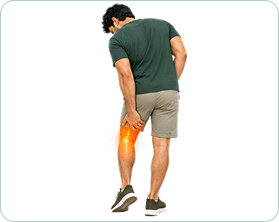
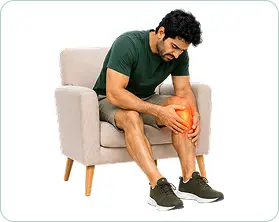
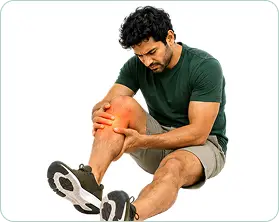
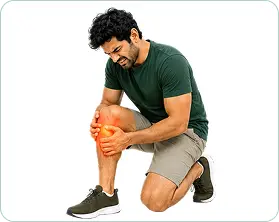
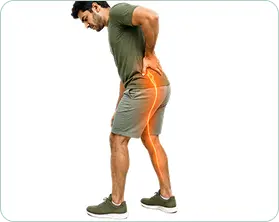
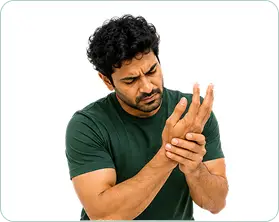
Knee pain is a condition that causes discomfort, stiffness, or swelling in the knee joint, making everyday movements such as walking, climbing stairs, standing, kneeling, or sitting difficult. The knee is one of the body’s largest and most important weight-bearing joints, connecting the thigh bone, shin bone, kneecap, muscles, ligaments, tendons, and cartilage to provide stability and smooth movement. When any of these structures are affected by injury, age-related wear and tear, inflammation, repetitive strain, or joint disorders, knee pain can develop. The severity may range from mild discomfort to persistent pain that limits mobility and affects quality of life. In Siddha medicine, chronic knee disorders are commonly understood under Azhal Keel Vaayu, where disturbances in Azhal followed by aggravation of Vali Kuttram (Vatham) affect normal joint function. Siddha management focuses on identifying the underlying imbalance and providing individualized treatment to support healthy knee function and long-term mobility.
Signs & Symptoms
Persistent Knee Pain
Pain in one or both knees that may be constant or intermittent, making everyday activities uncomfortable.
01
Stiffness & Reduced Flexibility
Difficulty bending or straightening the knee, especially after waking up or sitting for a long time.
02
Swelling & Tenderness
Swelling, tenderness, or warmth around the knee joint, which may make movement painful.
03
Pain During Movement
Pain that increases while walking, climbing stairs, squatting, kneeling, or standing for long periods.
04
Weakness & Instability
A feeling that the knee is weak, unstable, or may give way while walking or bearing weight.
05
Difficulty with Daily Activities
Trouble performing everyday activities such as walking, sitting, standing, climbing stairs, or exercising.
06
Causes
Osteoarthritis
The most common cause of knee pain, where the protective cartilage gradually wears away with age, leading to pain, stiffness, and reduced mobility.
Ligament & Meniscus Injuries
Sports injuries, falls, or sudden twisting movements can damage the ligaments or cartilage (meniscus), causing pain, swelling, and instability.
Excess Body Weight
Being overweight places additional stress on the knee joints, increasing the risk of pain, inflammation, and early joint wear.
Overuse & Repetitive Strain
Frequent kneeling, squatting, climbing stairs, or repetitive physical activities can strain the knee joint and surrounding tissues over time.
Rheumatoid Arthritis
An autoimmune condition that causes inflammation of the joints, leading to pain, swelling, stiffness, and progressive joint damage if left untreated.
Weak Muscles & Poor Posture
Weak thigh muscles, poor posture, or improper movement patterns can reduce knee support, placing extra pressure on the joint and contributing to chronic pain.
Siddha Treatment for Knee Pain
Siddha Clinical Assessment
Comprehensive evaluation includes Envagai Thervu, joint examination, gait assessment, and individualized Siddha clinical diagnosis.
Internal Siddha Medicines
Personalized Siddha medicines help restore Vali Kuttram balance and support healthy knee joint function naturally.
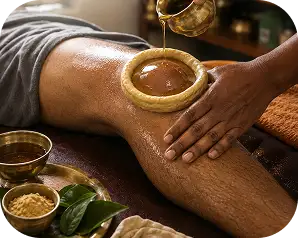
Therapeutic Oil Application
Medicated Siddha oils help reduce stiffness, relax muscles, improve circulation, and support comfortable joint movement.
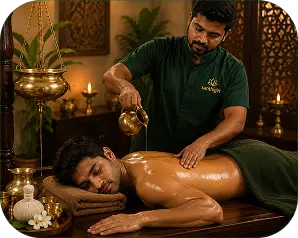
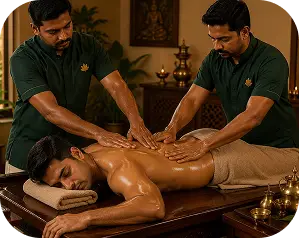
Thokkanam (Siddha Therapeutic Massage)
Thokkanam uses medicated oils to improve flexibility, reduce muscular stiffness, and enhance healthy joint mobility.
Varmam Therapy
Varmam therapy stimulates specific points to support neuromuscular function and improve comfortable knee movement naturally.
Ottradam (Herbal Fomentation)
Warm herbal fomentation helps reduce stiffness, relax muscles, and improve circulation around affected knee joints.
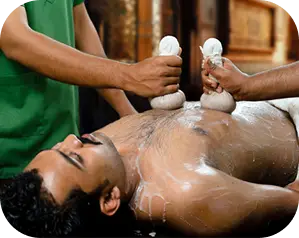
Podi Kizhi (Herbal Poultice Therapy)
Warm herbal poultices help improve flexibility, reduce muscular tightness, and support comfortable joint movement naturally.
Vedhu (Herbal Steam Therapy)
Herbal steam therapy relaxes soft tissues, improves circulation, and prepares joints for external Siddha therapies.
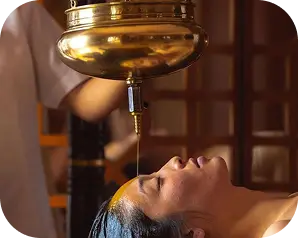
Other External Siddha Therapies
Additional Siddha external therapies are selected carefully according to individual diagnosis and therapeutic requirements.
Pathiyam (Therapeutic Diet)
Personalized dietary guidance supports digestion, tissue nourishment, and maintaining the balance of Vali Kuttram consistently.
Our Treatment Process
Treatment begins with a detailed consultation with an experienced Siddha physician. The evaluation includes a comprehensive medical history, assessment of pain, joint mobility, gait, lifestyle, dietary habits, and Envagai Thervu, including Naadi examination, together with a thorough musculoskeletal assessment to identify the underlying Siddha imbalance. Based on the clinical findings, an individualized treatment plan is developed according to Siddha principles. Depending on the patient’s needs, treatment may include internal Siddha medicines, therapeutic oil applications, Thokkanam, Varmam therapy, Ottradam, Podi Kizhi, Vedhu, and other appropriate external Siddha therapies, along with Pathiyam and lifestyle guidance. All therapies are provided under the supervision of qualified Siddha physicians. Regular follow-up consultations help monitor pain, mobility, joint function, and treatment response. Patients also receive practical guidance on weight management, joint-protective exercises, posture correction, and healthy daily practices to support long-term knee health.
Nutrition
Warm, Freshly Prepared Foods
Freshly cooked meals that support healthy digestion and overall physiological balance.
Easily Digestible Diet
Simple foods that promote efficient digestion and proper nutrient absorption.
Traditional Siddha Dietary Practices
Foods recommended according to Siddha principles to nourish body tissues and maintain humoral balance.
Selected Herbs and SpicesHealthy Fats
Traditional herbs and spices that support digestion and contribute to maintaining the body's natural balance.
Adequate Hydration
Maintaining sufficient hydration to support healthy joints, muscles, and overall body function.
Healthy Weight Management
A balanced diet helps maintain a healthy body weight and reduces unnecessary stress on the knee joints.
Foods to Limit
The Siddha physician may advise limiting excessively cold, dry, stale, processed, and deep-fried foods that may aggravate Vali Kuttram.
Benefits
Individualized Siddha management focuses on restoring the balance of Vali Kuttram while supporting healthy knee function and mobility. With appropriate Siddha treatment, Pathiyam, and lifestyle modifications, patients may experience reduced knee pain and stiffness, improved flexibility and joint movement, better walking ability, enhanced joint stability, greater comfort during everyday activities, and improved overall quality of life. Personalized Siddha care also supports long-term joint health and may help reduce the likelihood of recurrent knee discomfort through regular follow-up and preventive lifestyle guidance.